Preparation for the Ayahuasca retreat starts weeks before the first ceremony, and food is one of the most important components of the whole process.
Why does what you eat matter for ceremony? In the Shipibo tradition, the body is considered part of the healing work, and heavy food, stimulants, and alcohol are understood to dull perception. Whatever the body carries in, the medicine tends to clear first, often through purging, so arriving lighter leaves more of each ceremony for the deeper work.
Dr. Clancy Cavnar of our advisory board, who helped write Soltara’s preparation guidance, describes a whole-food and Ayahuasca-friendly diet as giving the medicine the best chance to reach the places that need healing. She writes that it is believed to lead to more insight and less difficulty in ceremony.
Changing how you eat for a few weeks is also a practical way to commit to the process, because it turns an intention into something you practice every day, long before the first ceremony.
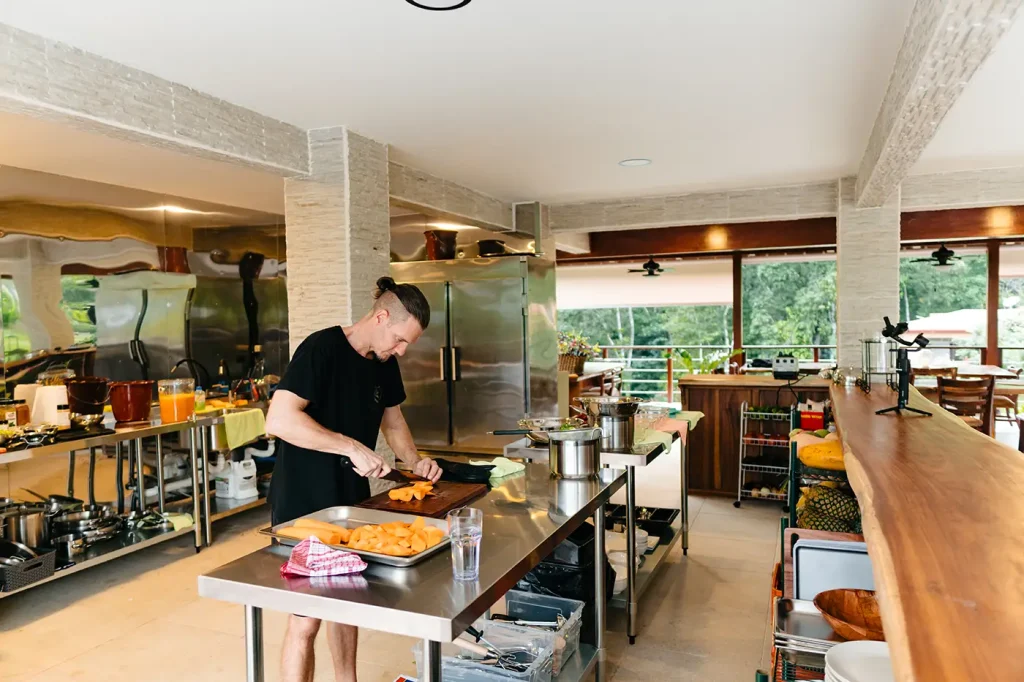
This guide comes from the Soltara kitchen, where we cook for every retreat, and it follows the same guidelines every guest receives.
In short:
- Four weeks before, set aside pork, alcohol, recreational drugs and other psychoactive medicines.
- Two weeks before, red meat, spicy food, blue cheese, peanuts, soy, fava beans and sexual activity come off the list.
- One week before, caffeine, refined sugar, dairy, fermented and smoked foods, and ice-cold drinks go too.
- Throughout, eat simple whole foods cooked with little oil, salt or sugar.
- Medications and supplements are taken only once the intake team has cleared them, or tapered safely under the guidance of your doctor.
Why preparation matters
There are three main reasons we ask guests to prepare this way.
- The body. A week with several ceremonies is physically demanding, and vomiting is common, which is why Dr. Cavnar suggests avoiding sharp, spicy and acidic foods in the days beforehand.
- Steadiness. Caffeine, sugar and alcohol create peaks and drops in energy, and easing off them gradually means arriving on an even keel, with any withdrawal already behind you.
- Respect for the tradition. In the Shipibo tradition, preparation has always been part of the work and reaches well beyond food, with healers in training following plant dietas that can last months or years. What we ask of guests is much simpler, and it comes from the same understanding.
Dr. Cavnar is also candid that the evidence for specific food interactions, such as tyramine, is mostly anecdotal. The guidelines rest on tradition, physical comfort, and a holistic approach to preparation that includes energetic guidelines.
What should I stop four weeks before?
Within the Shipibo tradition, other substances are understood to interfere with a person’s connection to Ayahuasca, which is why we ask guests to avoid them for thirty days before a retreat and thirty days after.
- Pork and pork products, including broths
- Alcohol and recreational drugs
- Cannabis, MDMA, ketamine and all psychedelics
- Work with other healers or energetic practitioners
What should I cut two weeks before?
Two weeks out, meals start to get simpler as red meat, spicy food, blue cheese, peanuts, soy and fava beans come off the plate, and this is also the time to set aside sexual activity. It helps to start easing off processed food, salt, sugar, oils, and animal fats in the same window, so the changes in the final week feel like a small step.
What should I stop one week before?
In the final week, the aim is to keep your energy even, your digestion light, and your nervous system steady. Caffeine and refined sugar are set aside, along with dairy, pickled, fermented, and smoked foods, overly ripe fruit, and ice or ice-cold drinks, though cool drinks are still fine. Exercise can continue at a moderate level, but it is best to avoid anything that sends adrenaline spiking, such as extreme sports, endurance events, tattoos, or horror films.
What can I eat before an Ayahuasca retreat?
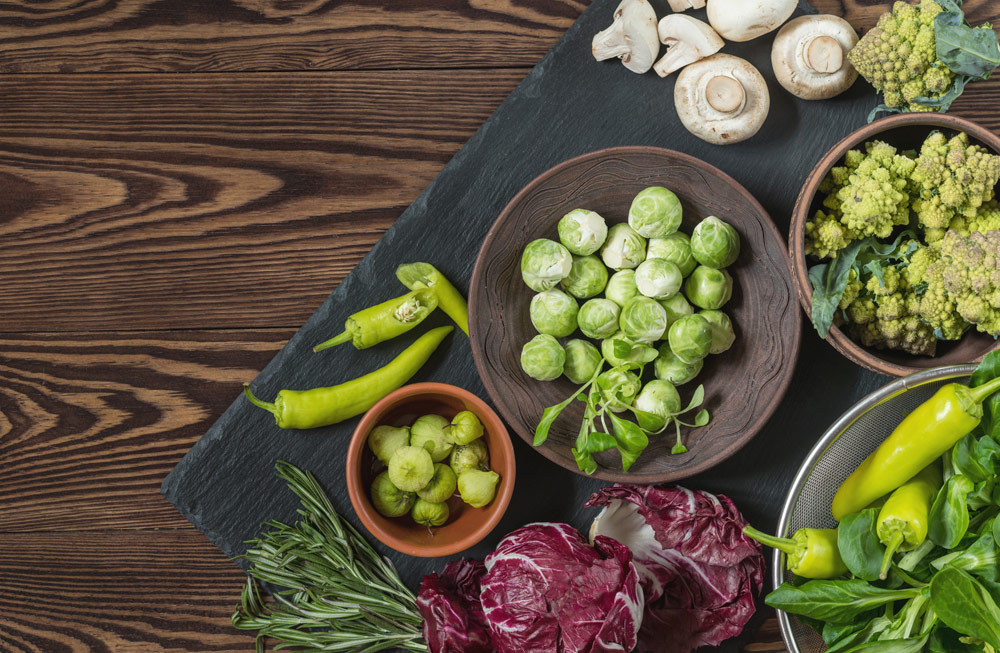
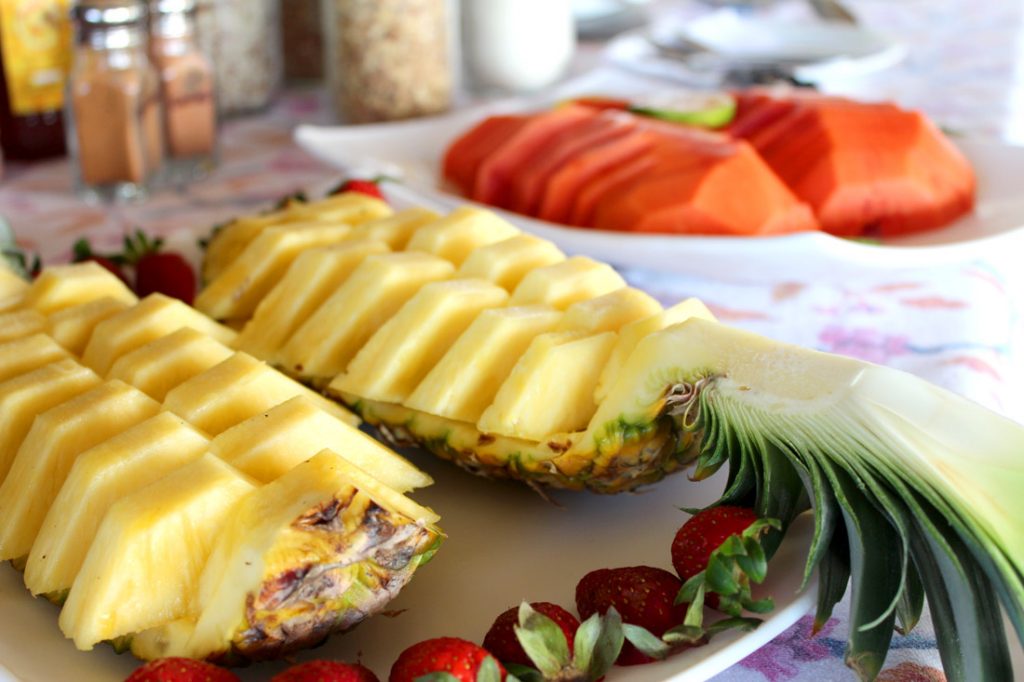
In our kitchen, most meals are built from white and jasmine rice, rolled oats, quinoa, chicken, eggs, white fish, beans, lentils and whatever vegetables are fresh that week, and the same foods are easy to cook at home.
For fish, river or lake fish is best, with cod or sea bass as a good alternative when those are hard to find. Dried beans and lentils are better than canned, although canned beans work well if you rinse them, and red lentils are the quickest option because they need no soaking.
A few habits we use in our kitchen make cooking this way much easier.
- Parchment paper. Roasting and baking on parchment paper means you need little or no oil.
- Broth in place of oil. A few spoonfuls of vegetable broth cook vegetables gently and add flavor at the same time.
- Salt while cooking. A pinch of salt during cooking draws out the flavor of the food, so the finished plate needs little or none at the table.
- Mild herbs & spices. Turmeric, cumin, thyme, rosemary and basil add plenty of flavor, while chili flakes, cayenne, and other hot spices can wait until after the retreat.
- Dressings from scratch. Blending broth or avocado with lemon, lime or green apple and fresh herbs makes a simple dressing without the oils, preservatives, and salt of store-bought versions.
- Cooking in batches. Rice, grains, and beans keep for up to five days in the fridge, so cooking them in batches saves time throughout the week.
Breakfast can be rolled oats with fruit and a little honey, chia pudding, or slowly scrambled eggs. Lunch and dinner can be lentil soup, baked white fish with rice and steamed vegetables, or baked chicken with roasted squash and greens. On busy days, pre-cooked rice, plain rotisserie chicken, frozen vegetables, and hard-boiled eggs cover most meals with very little effort.
How do I eat out while preparing?
Order the plainest plate on the menu and ask for changes, since most restaurant kitchens use far more oil, salt, butter and sugar than people do at home. Ask for grilled, baked or steamed food with sauces on the side, and for no dairy, pork, hot peppers, or sweet glazes.
What about medications and supplements?
This is the one part of preparation where we ask you to check before you act. Tell the intake team about every medication and supplement you take, including over-the-counter allergy tablets, cold remedies, and nasal sprays. Each one is reviewed individually during intake, as described on our safety page. Some interact with Ayahuasca in ways that can be dangerous, and some, including most SSRIs, need a longer break than four weeks.
Any change to a prescription should be discussed with your own doctor, and if a medication changes before the retreat, please let the intake team know.
What if something slips?
If something slips, tell the intake team before the retreat, whatever it was, and they can explain what it means for your retreat. With medication, it is important to ask before taking anything new, because even a cold remedy taken the week before can mean being unable to drink Ayahuasca during the retreat.
The full guidelines are on our preparation page, and if you are still comparing centers, these are the questions worth asking.
If it would help to talk any of this through, whether it is a specific medication, your history or whether the timing is right, a discovery call with our team is free.